
circumcision is
Unchristian
Circumcision has never been a Christian practice.
Since the council in Acts 15, Christians have virtually never practiced circumcision. They have taught that it was ended by Christ’s work, just like blood sacrifices and other rituals were.
Across the centuries, and in all Christian denominations, this has held true.
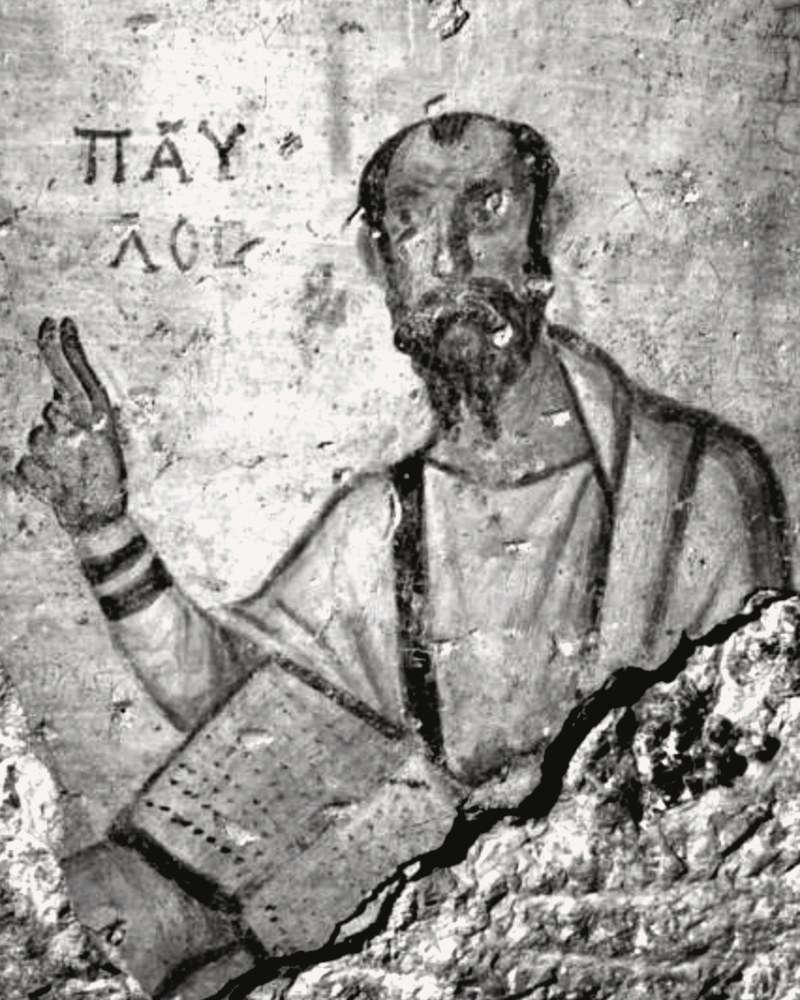
“Mark my words! I, Paul, tell you that if you let yourselves be circumcised, Christ will be of no value to you at all.”
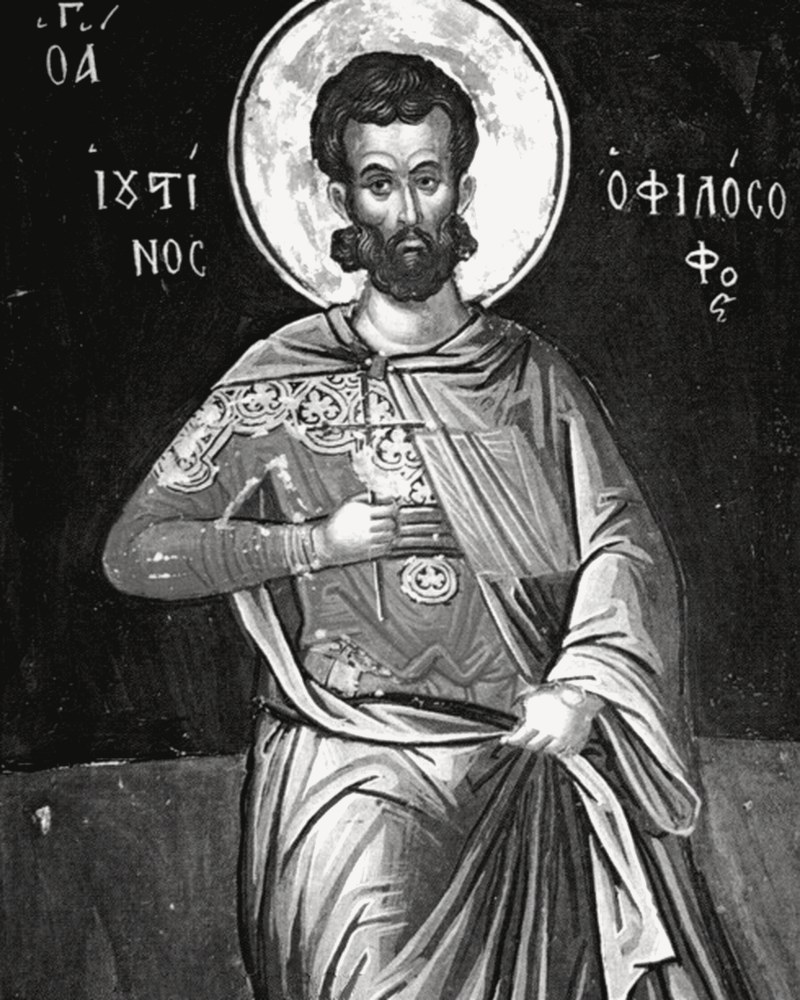
“The blood of that circumcision is obsolete.”
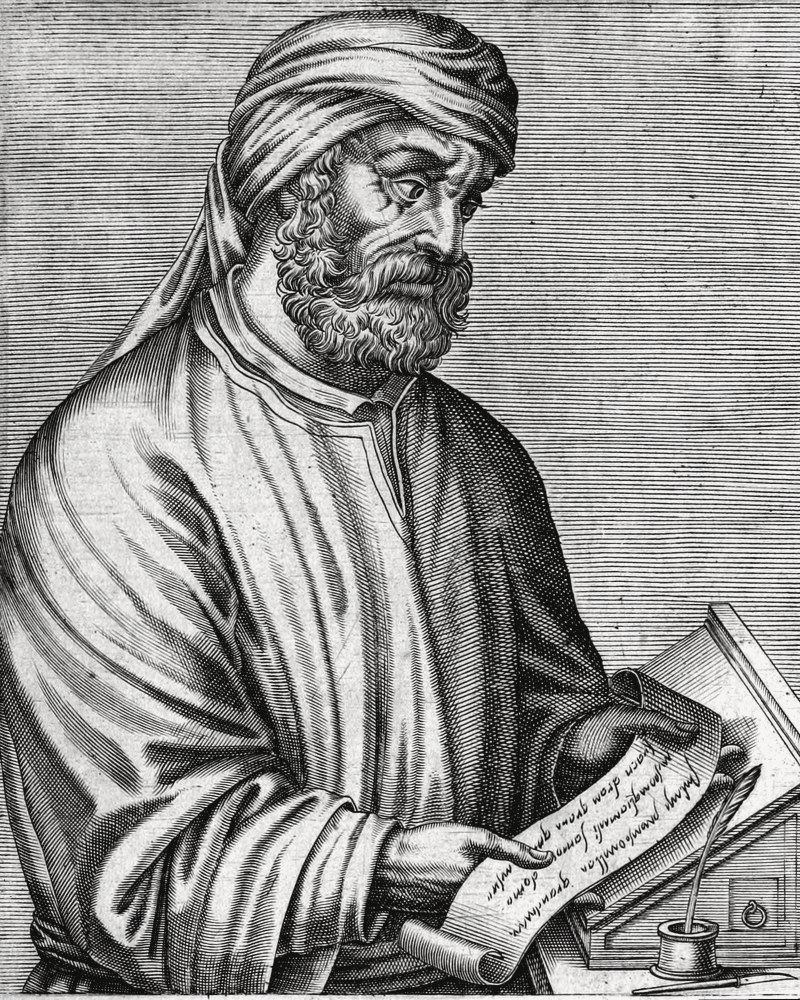
“The coming cessation of the old law and of the carnal circumcision was declared.”
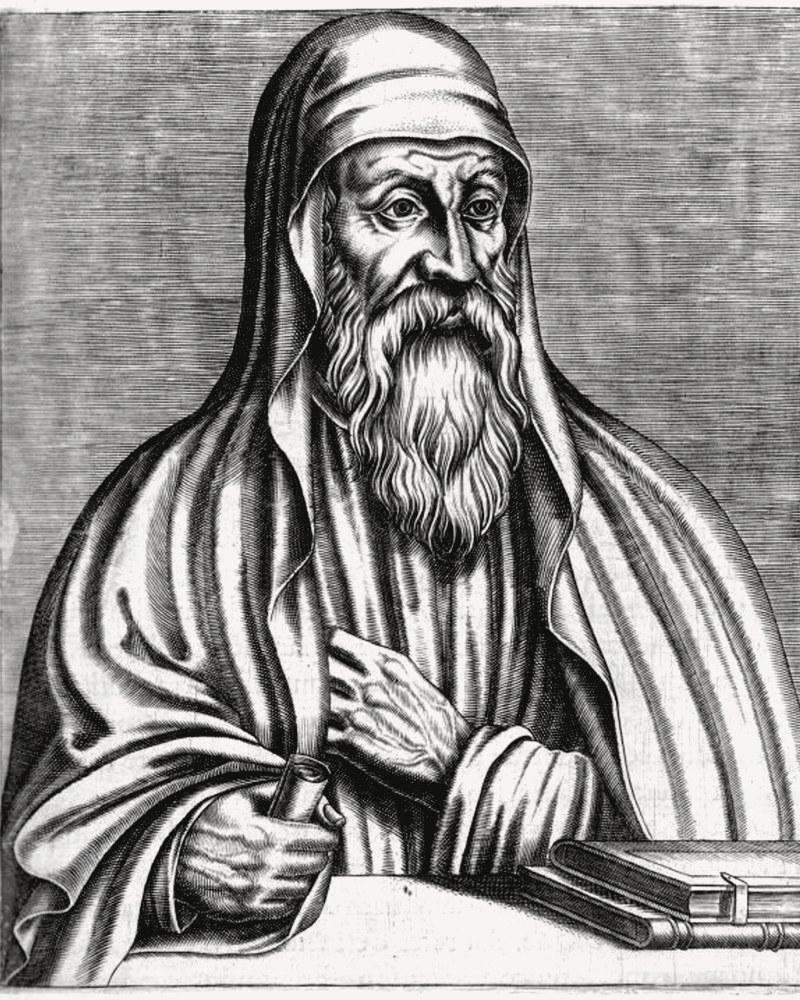
“Circumcision was discontinued by Jesus, who desired that His disciples should not practice it.”
“[Concerning circumcision:] God’s creation has made nothing imperfect in man, nor bade it be removed as unnecessary.”
“A Christian is not circumcised precisely for this reason, that what was prefigured by circumcision is fulfilled in Christ.”
“Neither may Christians be circumcised for any reason.”
“It strictly orders all who glory in the name of Christian, not to practise circumcision either before or after baptism, since — whether or not they place their hope in it — it cannot possibly be observed without loss of eternal salvation.”
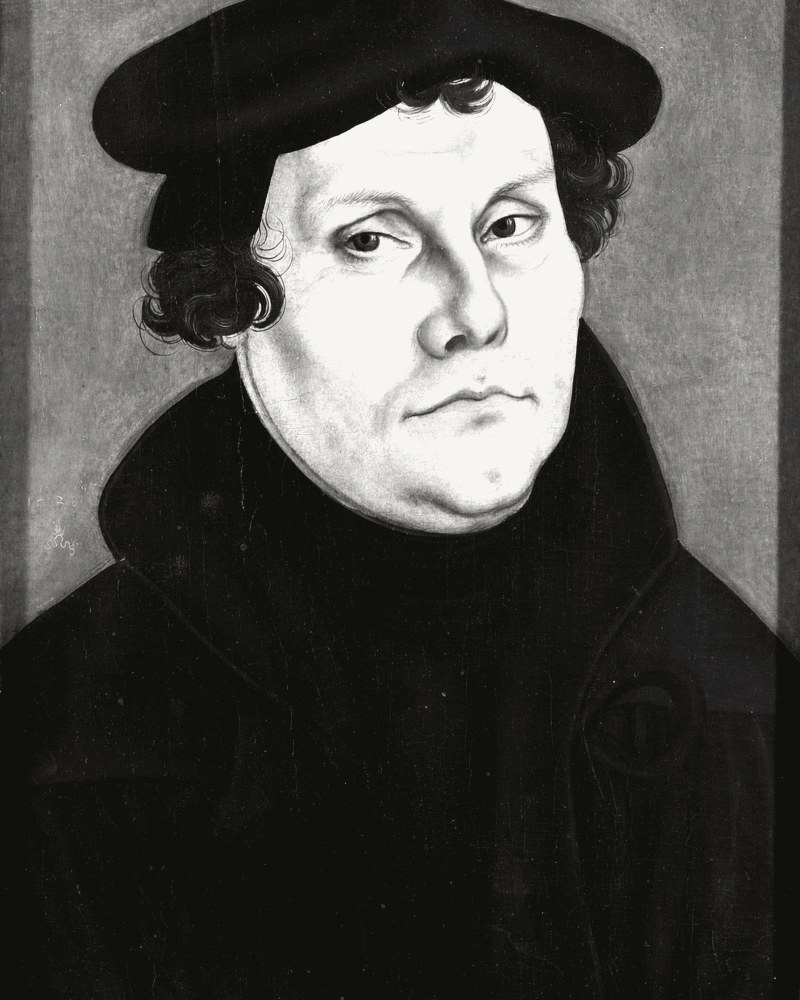
“In addition to cutting off the foreskin of a male child, they force the skin back… and tear it open with sharp fingernails as one reads in their books. Thus they cause extraordinary pain to the child, without and against the command of God.”
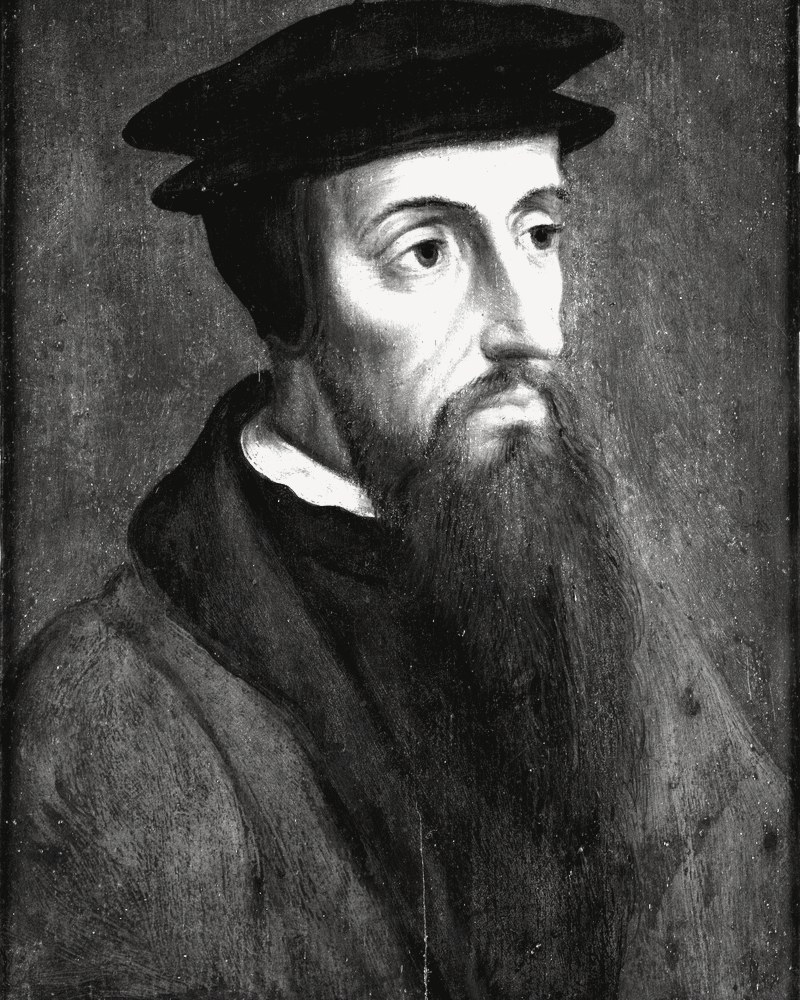
“Circumcision was only permitted to the Jews for a time, until the liberty obtained by Christ should be better known.”
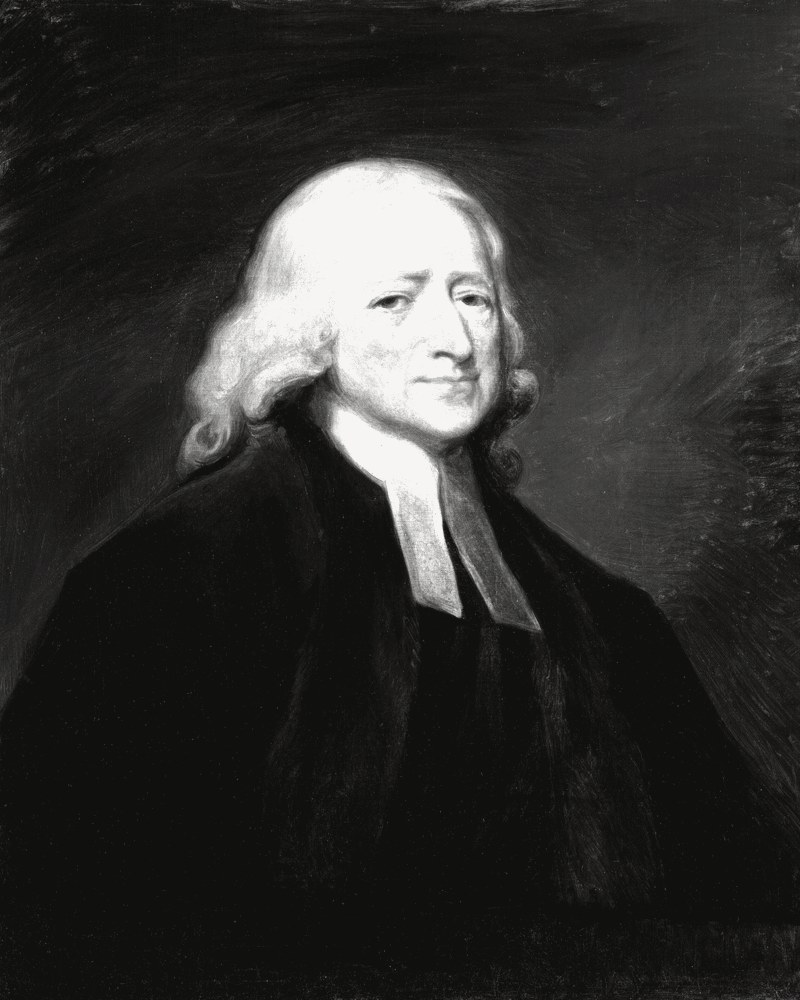
“The apostle will not call them ‘the circumcision,’ but coins a term on purpose, taken from a Greek word used by the Septuagint, Leviticus 21:5, for such a cutting as God had forbidden.”
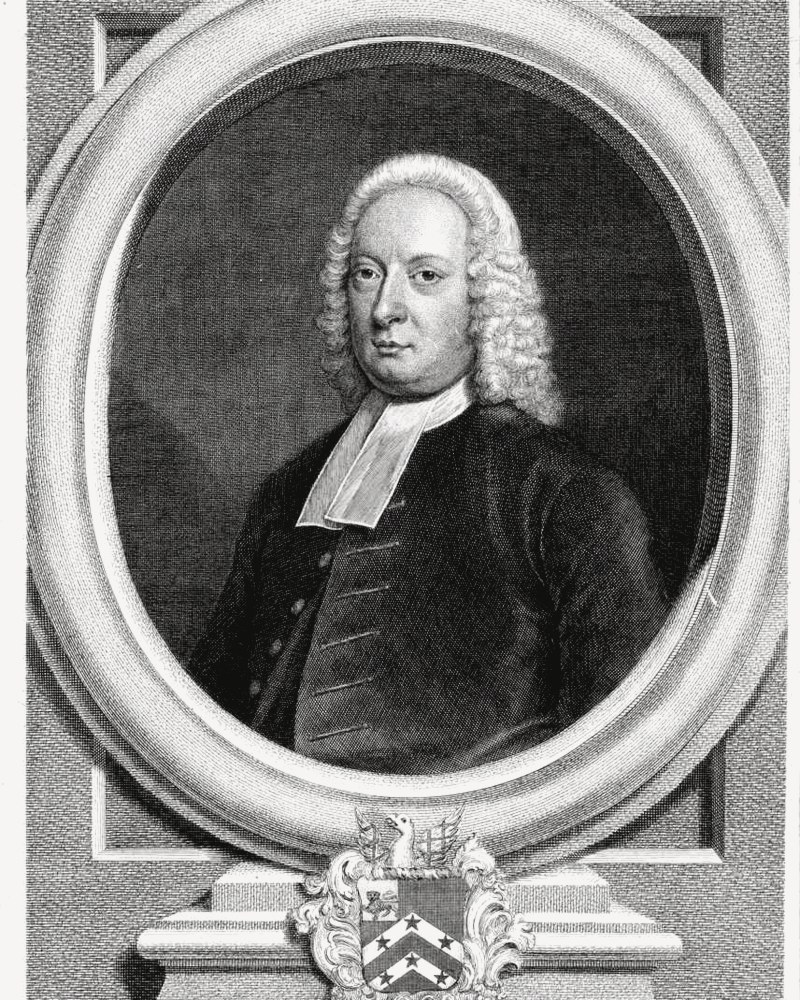
“He speaks of circumcision, not as when it was an ordinance of God, but as it was now abolished by Christ.”
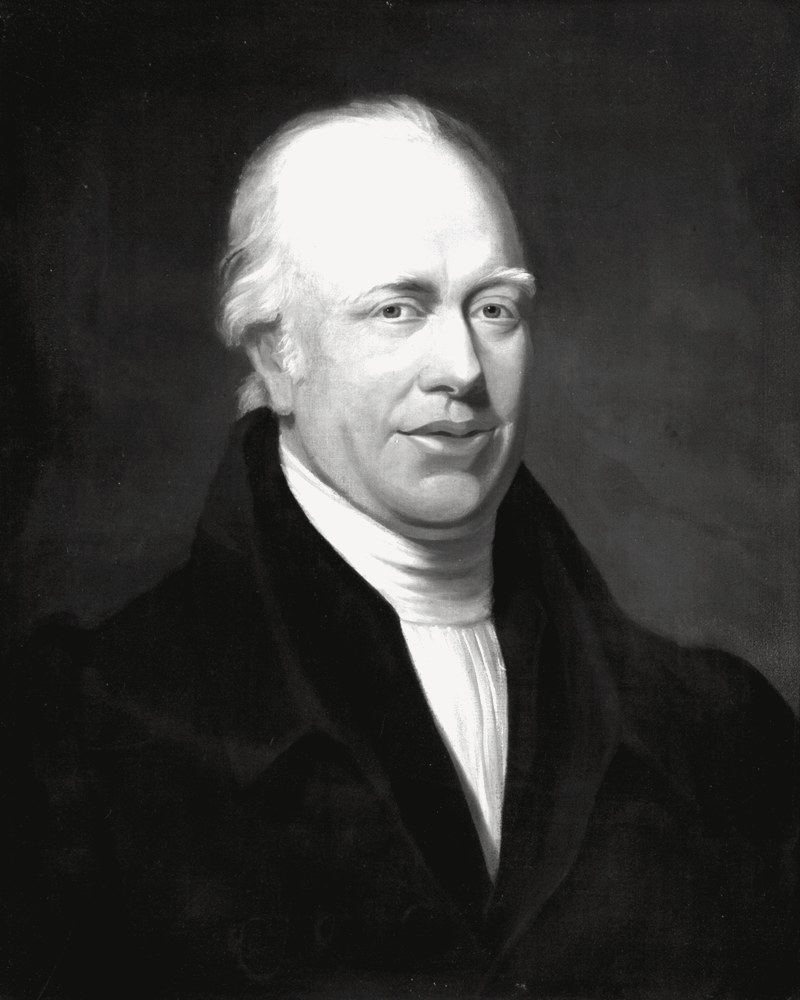
“The apostle uses this word to degrade the pretensions which the Jews made to sanctity by the cutting in their flesh. Their circumcision was rendered uncircumcision, and is termed a cutting, by way of degradation.”
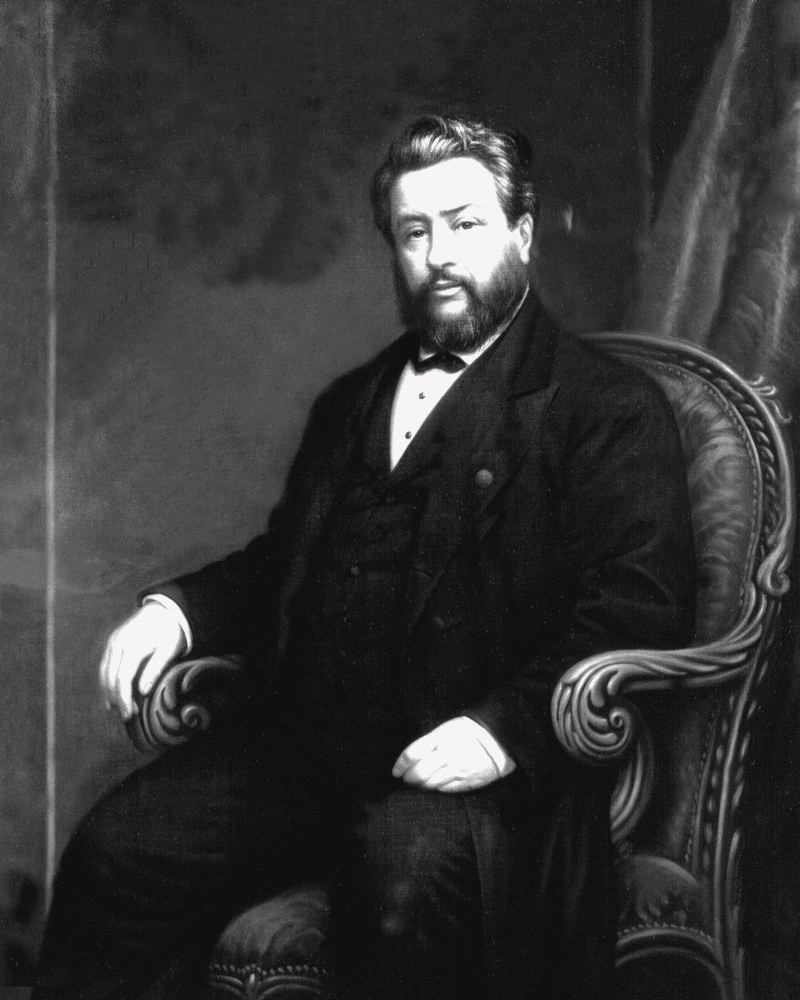
“A clean sweep has been made of all the ancient rites, from circumcision up to the garment with its fringe of blue. These were for the childhood of the Church… we are no longer minors.”
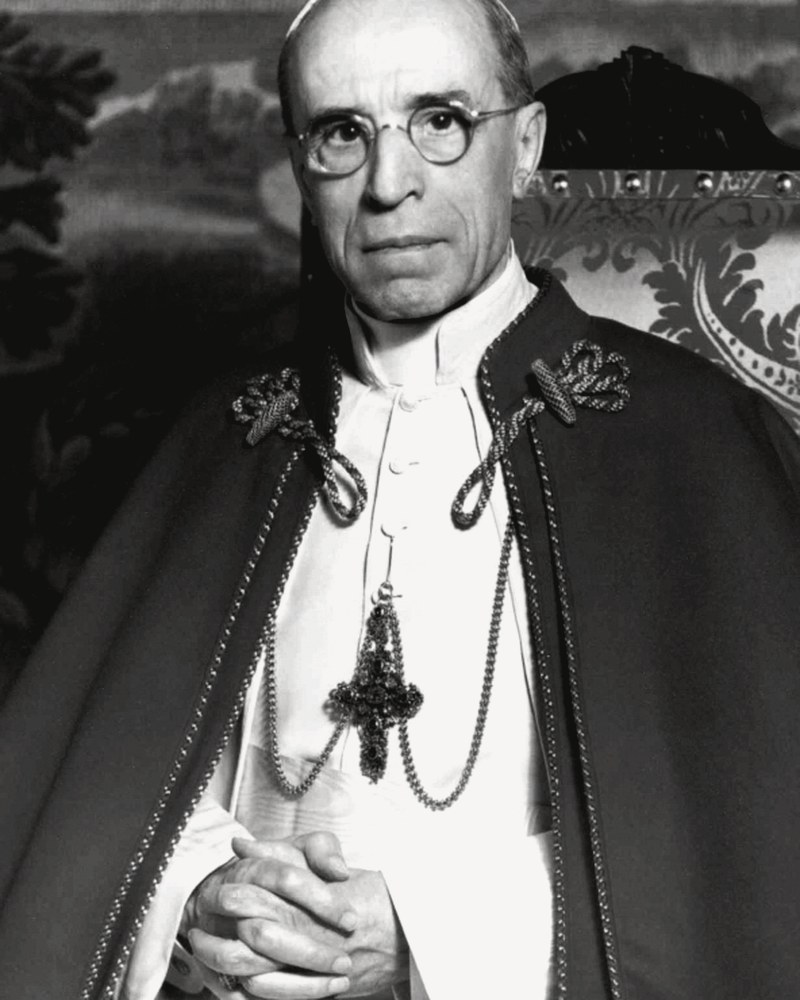
“Circumcision is only morally permissible if, in accordance with therapeutic principles, it prevents a disease that cannot be countered in any other way.”
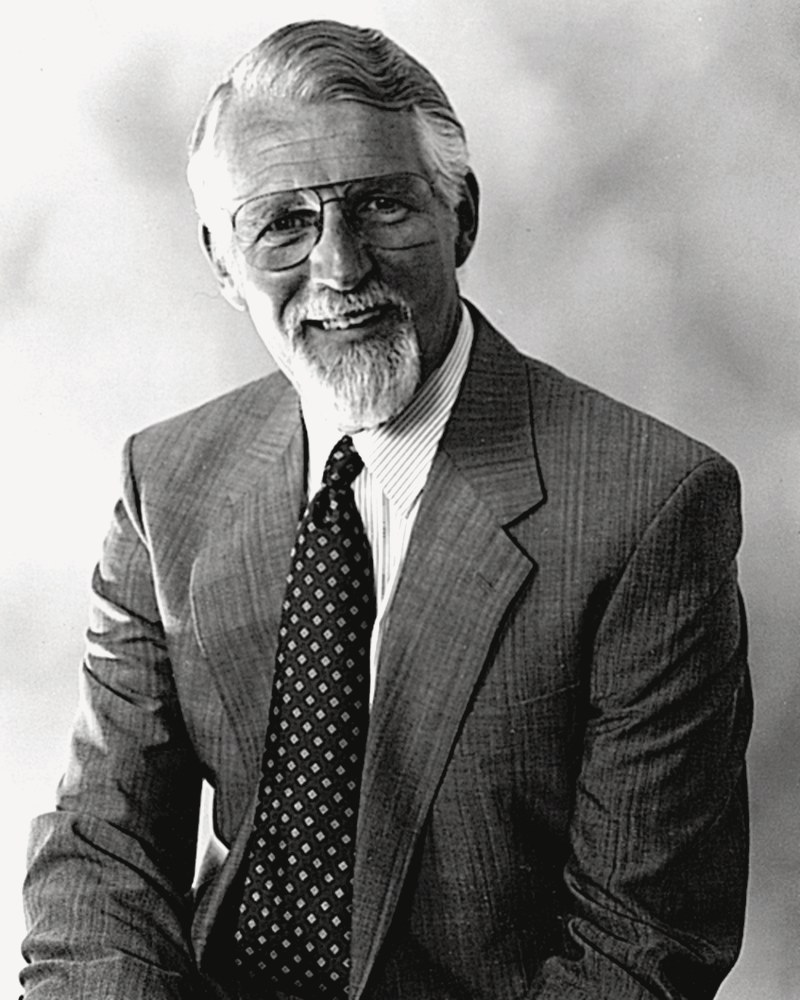
“His circumcision at eight days was the last required by God, Jesus being the single ‘seed’ inheriting the Abrahamic blessing. The ‘new’ covenant began with him.”
Old Testament circumcision was not the same procedure as modern circumcision.
The Old Testament’s milah wasn’t even the same procedure that is practiced in the USA today.23 Rubin, N. (2003). “Brit Milah: A Study of Change in Custom.” In E. W. Mark (Ed.), The Covenant of Circumcision (pp. 87–97). UPNE.
The modern cut removes many times more tissue and multiple functions.
How did the modern cut begin? Well, ancient Jews often reversed their milah circumcisions to fit in socially.24 Hall, Robert. (1992). “Epispasm: Circumcision in Reverse.” Bible Review, Pgs. 52-57. See also 1 Macc. 1:11-15 and 1 Cor. 7:18.
Of course, this offended the rabbis. So “circumcision had its scope extended by the rabbis”25 Werblowsky, R. J. Z., & Wigoder, G. (Eds.). (2011). “Circumcision.” The Oxford Dictionary of the Jewish Religion. Oxford U Press. around A.D. 130 to prevent its reversal. A brutal second step was added: peri’ah.
Evidence in support of this change abounds.23 Rubin, N. (2003). “Brit Milah: A Study of Change in Custom.” In E. W. Mark (Ed.), The Covenant of Circumcision (pp. 87–97). UPNE.
As the Jewish Encyclopedia summarizes: “In order to prevent the obliteration of the ‘seal of the covenant’ on the flesh… the Rabbis, probably after the war of Bar Kokba (see Yeb. l.c.; Gen. R. xlvi.), instituted the ‘peri’ah’ (the laying bare of the glans).”26 Hirsch, E. (1903). “Circumcision.” In I. Singer (Ed.), The Jewish Encyclopedia (Vol. IV). New York: Funk & Wagnalls Co.
Jewish circumcision previously did not expose the glans (head).27 Despite this, Greek art and jokes at Jews’ expense – as well as the motivation of Jews to “de-circumcise” – are easy to explain. Intact adult men sometimes have a slightly-exposed glans even when flaccid, but Greek custom and sense of modesty demanded no public exposure at all. So even intact Greeks would use a kynodesme for modesty’s sake. The original Jewish cut resulted in a more-exposed glans as an adult. In Greek gymnasiums and baths, this would be unacceptable. See, e.g., Zanker, Paul (1995). The Mask of Socrates: The Image of the Intellectual in Antiquity. (pp. 28–30). University of California Press.
This “laying bare of the glans,” which involves the removal of much more tissue, was a later addition.
The Old Testament’s milah wasn’t even the same procedure that is practiced in the USA today.23 Rubin, N. (2003). “Brit Milah: A Study of Change in Custom.” In E. W. Mark (Ed.), The Covenant of Circumcision (pp. 87–97). UPNE.
The modern cut removes many times more tissue and multiple functions.
How did the modern cut begin? Well, ancient Jews often reversed their milah circumcisions to fit in socially.24 Hall, Robert. (1992). “Epispasm: Circumcision in Reverse.” Bible Review, Pgs. 52-57. See also 1 Macc. 1:11-15 and 1 Cor. 7:18.
Of course, this offended the rabbis. So “circumcision had its scope extended by the rabbis”25 Werblowsky, R. J. Z., & Wigoder, G. (Eds.). (2011). “Circumcision.” The Oxford Dictionary of the Jewish Religion. Oxford U Press. around A.D. 130 to prevent its reversal. A brutal second step was added: peri’ah.
Evidence in support of this change abounds.23 Rubin, N. (2003). “Brit Milah: A Study of Change in Custom.” In E. W. Mark (Ed.), The Covenant of Circumcision (pp. 87–97). UPNE.
As the Jewish Encyclopedia summarizes: “In order to prevent the obliteration of the ‘seal of the covenant’ on the flesh… the Rabbis, probably after the war of Bar Kokba (see Yeb. l.c.; Gen. R. xlvi.), instituted the ‘peri’ah’ (the laying bare of the glans).”26 Hirsch, E. (1903). “Circumcision.” In I. Singer (Ed.), The Jewish Encyclopedia (Vol. IV). New York: Funk & Wagnalls Co.
Jewish circumcision previously did not expose the glans (head).27 Despite this, Greek art and jokes at Jews’ expense – as well as the motivation of Jews to “de-circumcise” – are easy to explain. Intact adult men sometimes have a slightly-exposed glans even when flaccid, but Greek custom and sense of modesty demanded no public exposure at all. So even intact Greeks would use a kynodesme for modesty’s sake. The original Jewish cut resulted in a more-exposed glans as an adult. In Greek gymnasiums and baths, this would be unacceptable. See, e.g., Zanker, Paul (1995). The Mask of Socrates: The Image of the Intellectual in Antiquity. (pp. 28–30). University of California Press.
This “laying bare of the glans,” which involves the removal of much more tissue, was a later addition.
Old Testament circumcision doesn’t have a place among God’s people today. But modern circumcision never had a place.
This difference between Old Testament circumcision and modern circumcision is not widely discussed outside of Jewish scholarship. But some Christians in the past have mentioned it. Martin Luther, for example, knew about the difference:
“In addition to cutting off the foreskin of a male child, the Jews force the skin back… and tear it open with sharp fingernails as one reads in their books.”28 See, e.g., the overview of the modern rite in “Circumcision.” The Jewish Encyclopedia, (New York: Funk and Wagnalls, 1906-1910).
Thus they cause extraordinary pain to the child, without and against the command of God…
“Such an addendum is their own invention… and is in contradiction to God’s command… Deuteronomy 4 and 12: ‘You shall not add to the word which I command you, nor take from it.’ With [this] supplement they ruin their circumcision.”29 We certainly do not condone Luther’s words in this particular book, but this passage shows he knew about the drastic difference between ancient circumcision and modern. Martin Luther, Luther’s Works, Vol. 47, ed. Jaroslav Jan Pelikan et al., vol. 47 (Philadelphia: Fortress Press, 1999), 152.
Modern circumcision was never condoned by God for any people group at any time. It was an extension that the Pharisees instituted after the time of the New Testament. It was an extreme, man-made measure designed to eliminate the possibility of reversal. As a consequence, it also removed multiple functions. It radically altered God’s design.
I will praise thee,
for I am fearfully and wonderfully
made.”
Psalm 139:14 (KJV)